
"coffee root"
4000 article(s) found

How should the planting conditions of coffee trees be planted?
Coffee is one of the three biggest drinks in the world, but do you know how it is grown? The important condition of coffee cultivation has a noun called coffee belt. There are more than 60 coffee producing countries in the world, most of which are located in the tropics and subtropics between the Tropic of Cancer (latitude 2326). This coffee growing area is called coffee belt (Coffee Belt) or coffee zone (
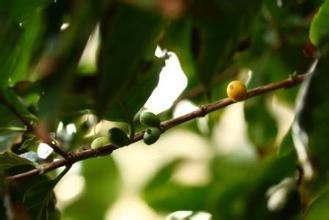
Coffee growing environment affects coffee growing environment and coffee quality Suitable soil and conditions
Coffee originated in tropical Africa, the origin of small species is the tropical plateau of Ethiopia, between 900 and 1800 meters above sea level, with an average annual temperature of 19. C. The medium-grained species originated in the tropical rain forest area of Congo, below 900 meters above sea level, with an annual average temperature of 21~26. C。They are native to shady or semi-shady forests and river valleys, so coffee needs calm wind, warm and humid
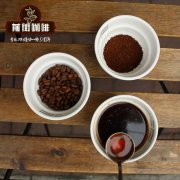
Yunnan Pu 'er Coffee Production Area| Aini Manor Guixia, Kadulla, Kaduai, Katim, Vera
Professional coffee knowledge exchange More coffee bean information Please pay attention to coffee workshop (Weixin Official Accounts cafe_style) Yunnan Pu 'er coffee producing area| Aini Manor Guixia, Kadura, Kaduai, Katim, Velasaki varieties of planting environment? Aini Group has been rooted in Pu 'er coffee producing area for nearly 30 years. At this coffee fair, Aini Manor has successfully planted Guixia in six years.

Cultivation techniques of small-grain coffee: soil management
Weeding, covering the young coffee garden, weeds are easy to breed, especially in the rainy season, weeding should be done once a month. If the labor force is sufficient, clean the grass should be removed first. Adult coffee garden can be weeded once every 2 to 3 months. If you use herbicides, you should be careful not to spray on the branches and leaves of coffee, and it is more important and prudent to use them in young coffee gardens. Coffee has shallow roots and is vulnerable to adverse climatic conditions such as high temperature and drought.
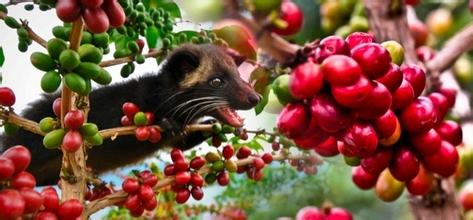
What is the growing environment of coffee beans? What conditions must be met to grow coffee beans?
Coffee is native to tropical Africa. The origin of the small seed species is the tropical plateau of Ethiopia. It is between 900 and 1800 meters above sea level with an average annual temperature of 19. C; the mid-grain species is native to the tropical rain forest of the Congo, with an average annual temperature of 2126 at an altitude of less than 900 meters. C . Their origins are shaded or semi-shaded forests and river valleys, so the formation of coffee requires calm wind, cool and wet.

Mexican coffee dibica, bourbon, etc., treated with water.
Mexican coffee-growing areas are mainly concentrated in the southeastern highlands, near Guatemala. Most of the mountains in the south are volcanic areas, and the volcanic ash soil is not only conducive to the drainage of coffee roots, but also provides sufficient nutrients for the growth of coffee trees. Most of the coffee varieties planted are Kaddura, Tibica, bourbon, etc., and the treatment methods are mostly water washing treatment, which are classified according to altitude. Coffee beans

What are the eight "what" in coffee?
What is caffeine? Caffeine is a substance found in the leaves, roots and fruits of 100 plants in nature. it is also a mixture of methylxanthine. Caffeine usually comes from coffee, dimethoate and tea. Caffeine is also used in energy drinks and drugs to treat colds and flu. Coffee and tea also contain other dimethylxanthine theophylline. Tea

German history: substitute coffee
Today, Germany is one of the countries that import the most coffee in the world. More than 1/4 of Vietnam's annual coffee exports are sent to Germany. But when it comes to Germany, we only think of sausages and beer, not coffee. This is because, in the 17th century, when coffee spread across Europe, Germany had few overseas colonies, unlike Britain and France.

Which kind of small seed seeder is good for large seeds of coffee beans?
Coffee beans large seed small seed seeder seed selection Coffee mother tree fully mature, fruit shape is normal, full, the same size, with two seeds of fruit. To remove the peel of the selected fruit, you must be careful to prevent the seeds from being damaged and affect the germination rate, then put the peeled seeds in a ventilated and cool place to dry, and the seed shell can be stored after whitening.
Cultivation techniques of small-grain coffee soil management of coffee cultivation
Weeding, covering the young coffee garden, weeds are easy to breed, especially in the rainy season, weeding should be done once a month. If the labor force is sufficient, clean the grass should be removed first. Adult coffee garden can be weeded once every 2 to 3 months. If you use herbicides, you should be careful not to spray on the branches and leaves of coffee, and it is more important and prudent to use them in young coffee gardens. Coffee has shallow roots and is vulnerable to adverse climatic conditions such as high temperature and drought.

Boutique coffee German "substitute coffee"
Today, Germany is one of the countries that import the most coffee in the world. More than 1/4 of Vietnam's annual coffee exports are sent to Germany. But when it comes to Germany, we only think of sausages and beer, not coffee. This is because, in the 17th century, when coffee spread across Europe, Germany had few overseas colonies, unlike Britain and France.

Basic knowledge of boutique coffee what is caffeine?
What is caffeine? Caffeine is a substance found in the leaves, roots and fruits of 100 plants in nature. it is also a mixture of methylxanthine. Caffeine usually comes from coffee, dimethoate and tea. Caffeine is also used in energy drinks and drugs to treat colds and flu. Coffee and tea also contain other dimethylxanthine theophylline. Tea
Historical substitute coffee in Germany
Coffee online Ono column Today Germany is one of the countries that import the most coffee in the world. More than 1/4 of Vietnam's annual coffee exports are sent to Germany. But when it comes to Germany, we only think of sausages and beer, not coffee. This is because, in the 17th century, when coffee spread across Europe, Germany had almost no overseas colonization.
Some basic knowledge of high-quality coffee
What is caffeine? Caffeine is a substance found in the leaves, roots and fruits of 100 plants in nature. it is also a mixture of methylxanthine. Caffeine usually comes from coffee, dimethoate and tea. Caffeine is also used in energy drinks and drugs to treat colds and flu. Coffee and tea also contain other dimethylxanthine theophylline. Tea

Introduction to the species and Flavor of Mexican Coffee producing countries
Mexican coffee-growing areas are mainly concentrated in the southeastern highlands, near Guatemala. Most of the mountains in the south are volcanic areas, and the volcanic ash soil is not only conducive to the drainage of coffee roots, but also provides sufficient nutrients for the growth of coffee trees. Most of the coffee varieties planted are Kaddura, Tibica, bourbon, etc., and the treatment methods are mostly water washing treatment, which are classified according to altitude. Coffee beans

Coffee Common sense German History of "substitute Coffee"
Today, Germany is one of the countries that import the most coffee in the world. More than 1/4 of Vietnam's annual coffee exports are sent to Germany. But when it comes to Germany, we only think of sausages and beer, not coffee. This is because, in the 17th century, when coffee spread across Europe, Germany had few overseas colonies, unlike Britain and France.

The History of "substitute Coffee" in Germany
Today, Germany is one of the countries that import the most coffee in the world. More than 1/4 of Vietnam's annual coffee exports are sent to Germany. But when it comes to Germany, we only think of sausages and beer, not coffee. This is because, in the 17th century, when coffee spread across Europe, Germany had few overseas colonies, unlike Britain and France.

Historical substitute Coffee of Fine Coffee in Germany
Today, Germany is one of the countries that import the most coffee in the world. More than 1/4 of Vietnam's annual coffee exports are sent to Germany. But when it comes to Germany, we only think of sausages and beer, not coffee. This is because, in the 17th century, when coffee spread across Europe, Germany had few overseas colonies.
Fine Coffee Science explains in detail several "what is" in coffee?
What is caffeine? Caffeine is a substance found in the leaves, roots and fruits of 100 plants in nature. it is also a mixture of methylxanthine. Caffeine usually comes from coffee, dimethoate and tea. Caffeine is also used in energy drinks and drugs to treat colds and flu. Coffee and tea also contain other dimethylxanthine theophylline. Tea
The basics of fine coffee do you know what caffeine is?
What is caffeine? Caffeine is a substance found in the leaves, roots and fruits of 100 plants in nature. it is also a mixture of methylxanthine. Caffeine usually comes from coffee, dimethoate and tea. Caffeine is also used in energy drinks and drugs to treat colds and flu. Coffee and tea also contain other dimethylxanthine theophylline. Tea